9+ curated guides • Updated October 2025
You picture a master craftsman, meticulously shaping a piece of gold. But what if your next pair of statement earrings was conceived by an AI and brought to life by a 3D printer? Forget what you know about jewelry; we're entering a new golden age where technology, not just tradition, defines the future of fashion. This isn't about replacing the artisan but augmenting their vision with tools of impossible precision and boundless creativity. We're moving beyond the limitations of the human hand to explore geometric complexities and forms of personalization that were, until now, the stuff of science fiction. This article illuminates the tectonic shift occurring in the world of haute joaillerie, where code is the new chisel and data is the new muse.
The power tie had a good run, but its reign as the ultimate symbol of boardroom authority is over. In a world that values individuality over conformity, a flash of silk at the neck feels predictable. The new power move is quieter, sharper, and far more personal: the lapel brooch. For decades, men were taught that a bold, striped tie was the visual equivalent of a firm handshake. It was a uniform of intent, a declaration of ambition within an established system. But that system has fractured. Today's currency isn't compliance; it's creativity, authenticity, and a distinct point of view. The tie shouts allegiance to the institution. The brooch, in its quiet confidence, whispers your personal philosophy. This article isn't just about accessorizing; it's about re-arming your professional wardrobe with a tool of silent, surgical precision.
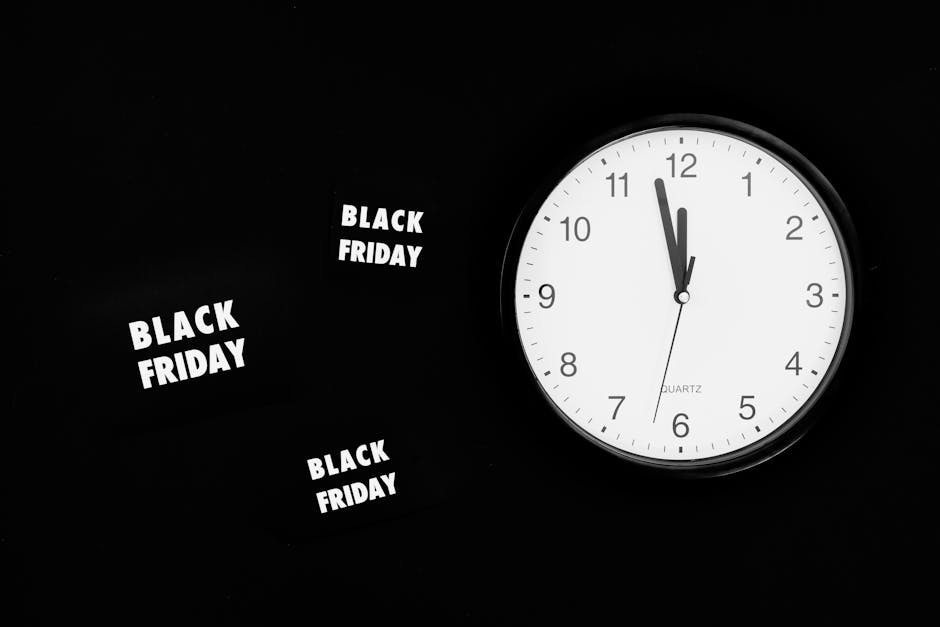
You think knowing Walmart's Black Friday hours gives you an edge? Think again. The 6 AM opening isn't a random time; it's a carefully calculated signal designed to manage crowds, create urgency, and dictate which deals you'll actually get. This guide isn't about telling you the time—it's about teaching you how to read the clock like a master strategist. We're pulling back the curtain on the retail theater, showing you how the timing of the event is the most important deal you'll never see in a flyer. Understanding this clockwork code is the difference between being a pawn in their sales game and becoming the king or queen of the checkout line.
In 2022, Burberry released a silk scarf to commemorate the Queen's Platinum Jubilee, and it promptly sold out. But this created a fascinating paradox for its new owners: do you wear a piece of history, or do you preserve it? This single accessory reveals more about our relationship with memory, monarchy, and luxury than any history book ever could. It is not merely an object of fashion but a cultural artifact wrestling with its own purpose. This article deconstructs the scarf not as clothing, but as a 'soft monument'—a tangible piece of a national fairy tale, leaving its custodians in a state of reverent paralysis.
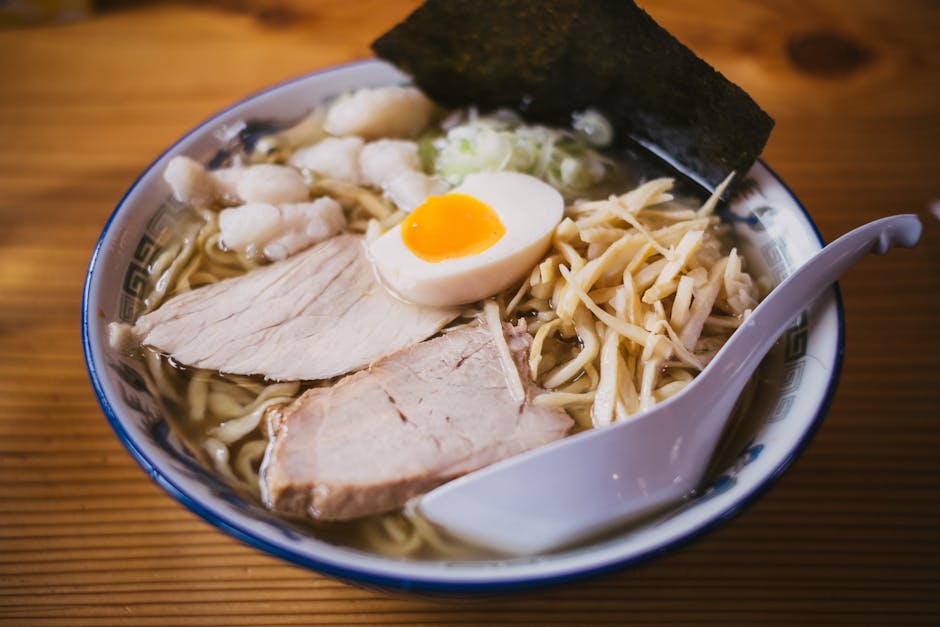
That steaming bowl of tonkotsu ramen in front of you is more than just comfort food; it's a calculated act of cultural diplomacy. We'll uncover how Japan strategically exported its most famous noodle soup to build 'soft power' and win hearts, minds, and stomachs across the globe. This isn't an accident of globalization; it's a masterclass in foreign policy conducted not in embassies, but in kitchens and dining rooms. We will analyze the transition of ramen from a post-war meal of necessity into the vanguard of Japan’s “Cool Japan” initiative, demonstrating how every slurp contributes to a nation's global standing.
We've all heard of the 'Lipstick Index' as a barometer for the economy. But what if a more powerful predictor has been hanging on our arms all along? This isn't about style forecasting; it's about economic forecasting, where the choice between a micro-bag and a giant tote tells a hidden story about our collective financial anxiety and optimism. The Handbag Index is a theory I've been tracking on the front lines of the luxury market for years. It posits that the collective choices consumers make about their most visible luxury accessory—the handbag—provide a real-time, nuanced reading of the economic climate, often months before official data catches up. It's an analysis of three core pillars: Size (impracticality vs. utility), Material (flash vs. longevity), and Market (primary vs. resale). By decoding these signals, we can see the subtle but significant shift from 'boom-time' confidence to 'bunker-mentality' caution.
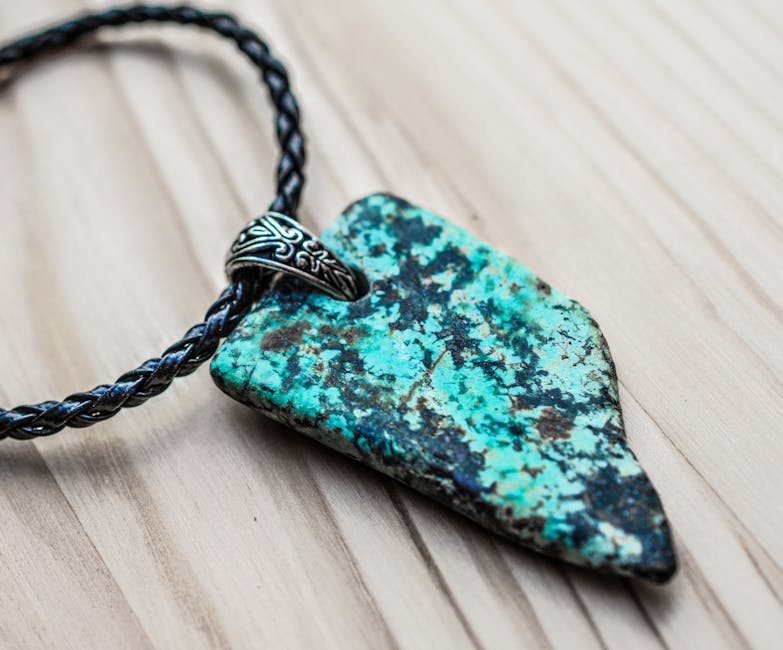
We choose jewelry to express who we are, but what if the piece itself already has a soul? A factory-made necklace is a silent object, but a handmade creation carries the echo of its maker's hands, heart, and intention. We're not just talking about aesthetics; we're talking about the invisible story that makes handmade jewelry more than an accessory—it's a connection. This is the transfer of spirit from creator to creation, a phenomenon that imbues a simple object with a history before it even meets its owner. It becomes a talisman, a piece of a person, a story forged in fire and silver.
We've all seen the shocking images of a multi-million dollar mansion consumed by flames. But the real story isn't the disaster; it's what happens after the smoke clears. Faced with a truly blank slate, how do the world's most famous people build not just a new house, but a fortress of resilience and a testament to who they are now? This architectural rebirth, what I call the Phoenix Effect, is more than a construction project; it's a profound act of psychological reclamation. By sifting through the ashes, these individuals are forced to confront their deepest anxieties about safety, legacy, and the very meaning of 'home.' The result is often a structure that is less a statement of wealth and more a suit of armor, meticulously engineered to withstand the next catastrophe while simultaneously healing the trauma of the last.
You saw the headline and your heart sank. The sadness feels surprisingly real, almost as if you knew them personally—but why? This reaction isn't strange or misplaced; it's a powerful psychological phenomenon that reveals the deep connection between their public story and your own life. This grief, often misunderstood and dismissed as trivial, is rooted in the intricate architecture of the modern human brain and our innate need for connection. We call this a 'parasocial relationship'—a one-sided, intimate bond we build with figures we only see through a screen. When that figure is gone, the brain processes the loss in a way that is startlingly similar to losing someone in our physical lives. This article deconstructs that bond, exploring not the death itself, but the profound psychological reasons your sadness is both real and valid.